The space economy spans the full value chain that builds, launches and operates in space — estimated near $610B today and projected toward $1.8T by 2035. This map breaks it into five investable layers (components & supply chain, launch to orbit, orbital infrastructure, satellite services, and defense & government) covering 24 public companies, each with a MoonshotScore and analysis grounded in real financial data from earnings calls and analyst estimates.
Where capital flows across the $1.8T space economy
로켓 부품부터 발사, 궤도 인프라, 위성 서비스, 우주 방위까지 — 전체 가치 사슬을 매핑.
자본을 우주로 움직이는 네 가지 힘
01
The launch-cost revolution
$65,000 → $100/kg
The cost to put a kilogram in orbit fell from ~$65,000 on the Shuttle to ~$2,700 with SpaceX, with Starship targeting $100–200. Cheaper access compounds demand across the whole economy.
02
The defense super-cycle
$40.2B + $15.7B
Space Force funding reached $40.2B for 2026 (+40% YoY) and the Golden Dome shield carries $15.7B, with the budget locked against political winds — a multi-year, structural demand signal.
03
The SpaceX IPO — and the AI angle
$1.5–2T
A possible SpaceX listing near a $1.5–2T valuation would re-price the whole sector — and SpaceX is increasingly an AI play (Starlink data, edge AI, data centers in space), pulling its public supply chain along.
04
Satellite internet meets AI
$33B by 2030
Roughly 2.6 billion people still lack good internet. Satellite connectivity plus AI and imagery opens new recurring-revenue models — a market heading toward $33B by 2030.
SpaceX는 우주 종목이 아니다. AI 종목이다.
SpaceX is private, so you cannot own it directly — but it is the gravity well of the whole sector. Reading it as five stacked AI layers shows where its public supply chain sits, and why a listing would re-price everything around it.
01 · Data
Starlink's satellite network and roughly 9 million subscribers generate a global data stream.
02 · Edge AI
A Starlink terminal plus a small computer could push AI to anyone — offline AI with only occasional connectivity, valuable where bandwidth is scarce.
03 · Data centers in space
AI's hard limits are energy, cooling and land. NVIDIA and Planet Labs are already running a GPU in space; cooling in a vacuum is the unsolved part.
04 · Satellite intelligence
Imagery and signals from orbit feed defense and commercial intelligence.
05 · The Musk ecosystem
SpaceX, xAI, Tesla and the Optimus robot together underpin a longer-term space-settlement ambition.
5계층 우주 경제
Money flows down the chain — from the components that build spacecraft, through launch, to what operates in orbit.
계층 1
Components & Supply Chain
The picks and shovels of space. When launch gets cheap, the suppliers ship the volume.
$1.8T sector TAM by 2035 · 6 개사
$RDW $VLD $LIN $SNPS $ATI $CRS
계층 2
Launch to Orbit
The transport layer. The cost to reach orbit has collapsed — and is still falling.
$100–200/kg Starship cost target · 1 개사
$RKLB
계층 3
Orbital Infrastructure
The speculative frontier: lunar landing, earth observation and the platforms in between.
$15.7B Golden Dome budget · 3 개사
$LUNR $BKSY $SATL
계층 4
Satellite Services & Connectivity
The recurring-revenue layer: connectivity, imaging, AI and data from orbit.
$33B sat-internet market by 2030 · 6 개사
$ASTS $PL $KULR $IRDM $GSAT $VSAT
계층 5
Defense & Government
The defense super-cycle: budgets locked against political winds, for years.
$40.2B Space Force 2026 (+40% YoY) · 8 개사
$LHX $RTX $KTOS $LMT $NOC $GD $AVAV $HEI
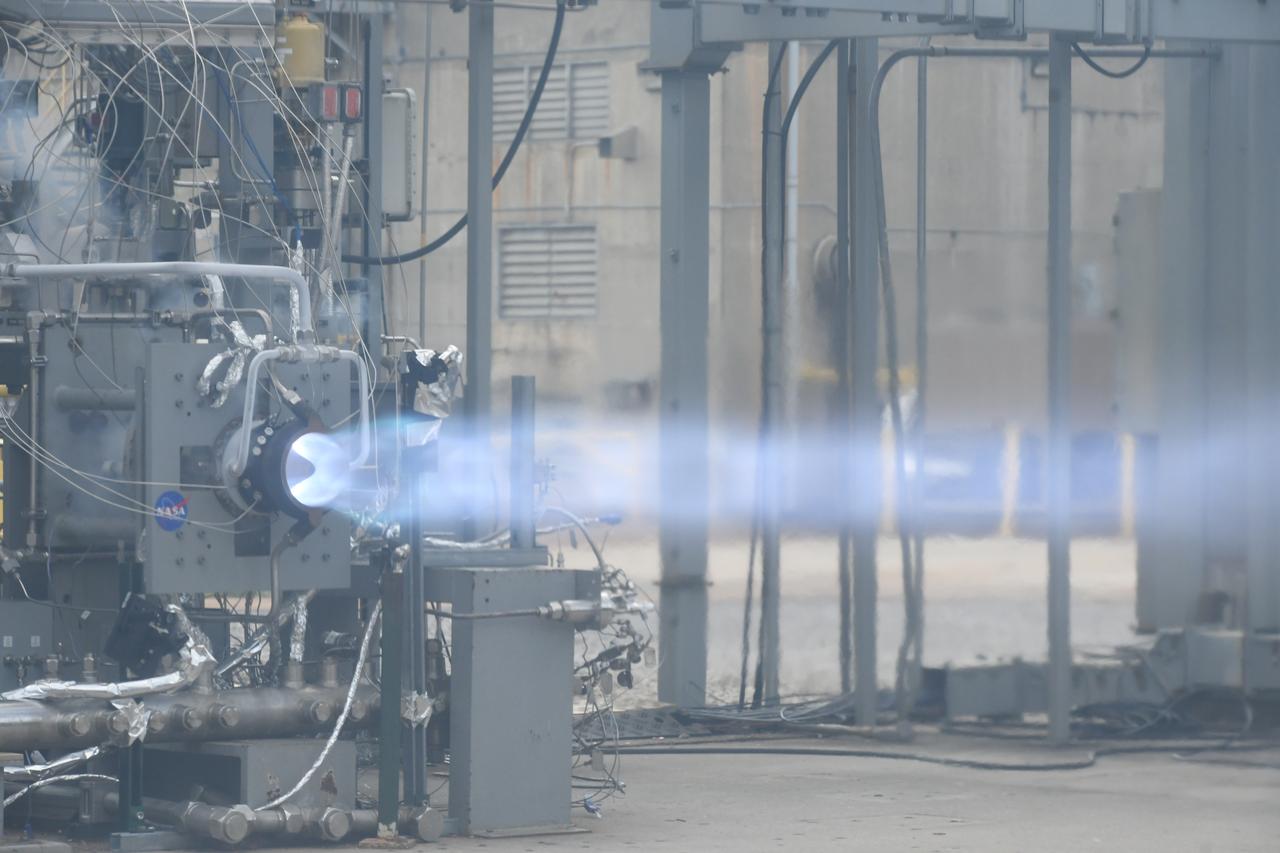
Components & Supply Chain
Every rocket and satellite is built from specialty alloys, additive-manufactured parts, industrial gases and chip-design software. As launch cadence rises and costs fall, demand flows down the supply chain to the companies that make the components — and to the SpaceX supply ladder.
투자자 시각: Suppliers are a lower-variance way to play the space build-out: they sell into every launch provider rather than betting on one rocket. The risk is concentration — some lean on a single large customer.
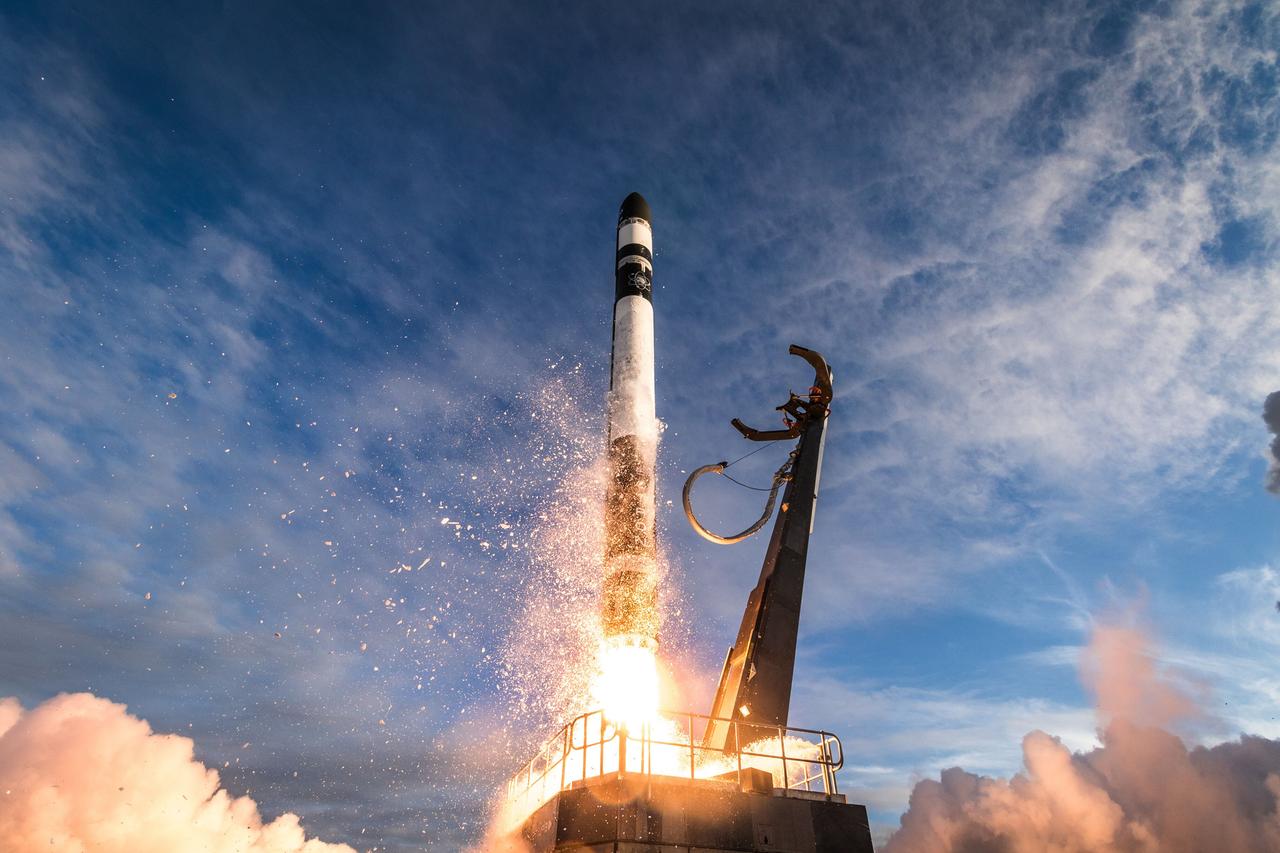
Launch to Orbit
Launch is the toll booth of the space economy. The cost to put a kilogram in orbit fell from roughly $65,000 on the Shuttle to about $2,700 with SpaceX, with Starship targeting $100–200. A possible SpaceX IPO near a $1.5–2T valuation would re-price the entire layer.
투자자 시각: Rocket Lab is the clearest public pure-play on falling launch cost, scaling from small Electron launches to the mid-size Neutron. The risk is execution: rockets slip, and Neutron's timeline is the swing factor.
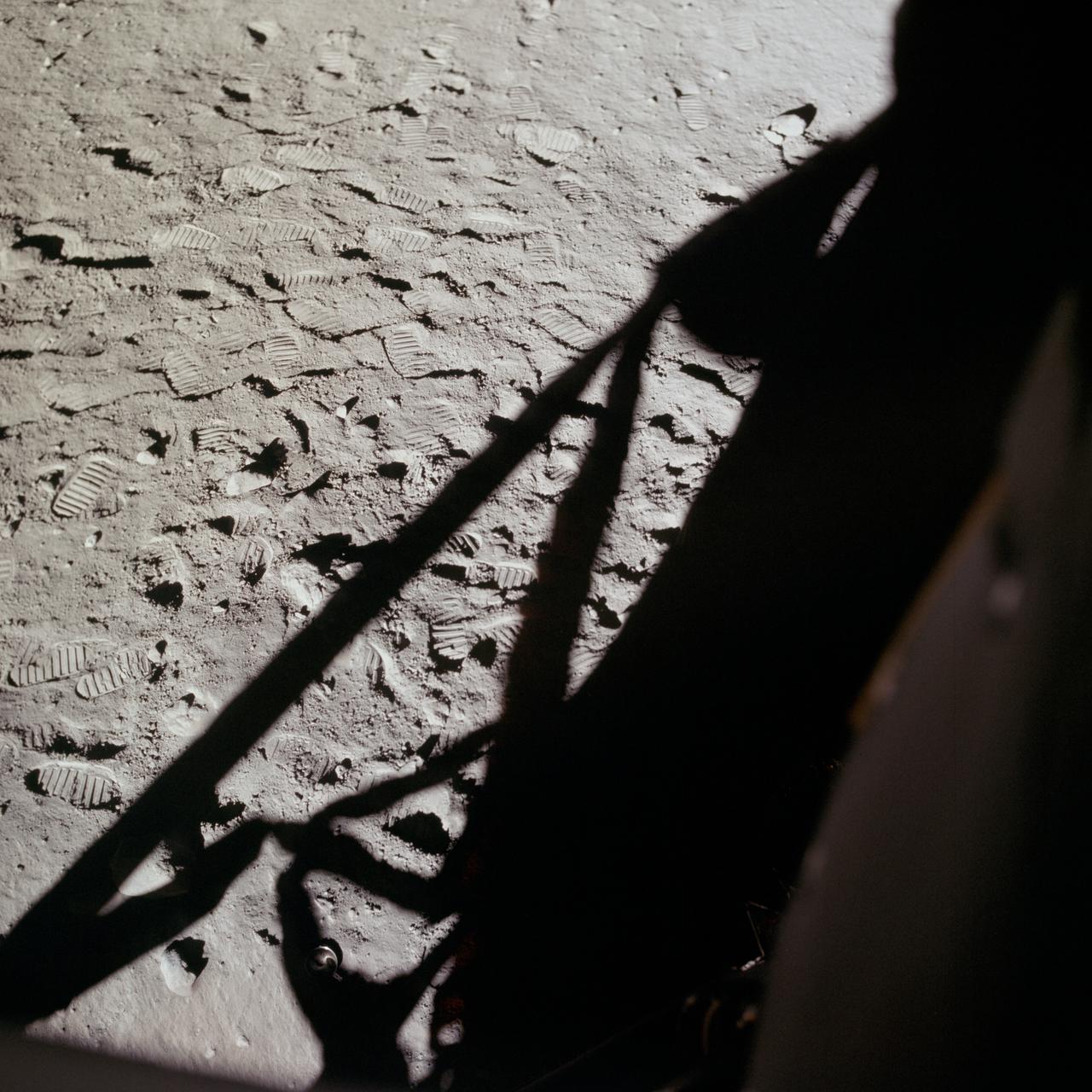
Orbital Infrastructure
Once you can reach orbit cheaply, you build on it — lunar landers, observation constellations and on-orbit platforms. Government and defense orders, including Golden Dome, can flow to this layer, but it is the earliest and most speculative part of the chain.
투자자 시각: These are higher-risk, higher-upside names tied to government contracts and unproven markets. Position size accordingly; a single program win or loss can move them sharply.
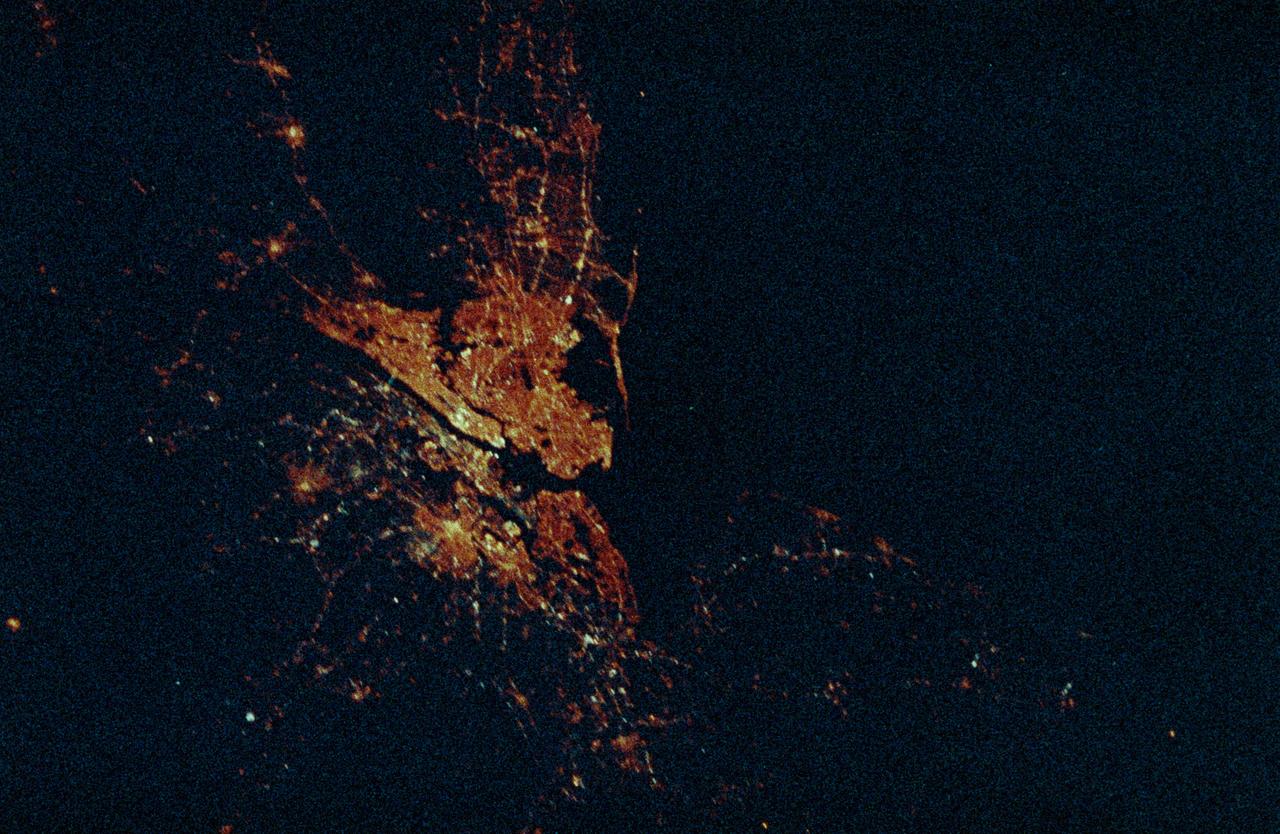
Satellite Services & Connectivity
Roughly 2.6 billion people still lack good internet. Satellite connectivity, earth imagery and the data that flows from them create subscription and recurring-revenue models — a satellite-internet market heading toward $33B by 2030, increasingly paired with AI.
투자자 시각: This layer offers the recurring revenue investors prize, but valuations and competition are the catch — leaders have run hard, and Starlink looms over direct-to-cell.
Defense & Government
This is not a normal budget wave but a multi-year, structural super-cycle. The US made space a national security priority; the Space Force budget reached $40.2B for 2026 (+40% YoY) and the Golden Dome missile shield carries $15.7B — a durable demand signal for the primes and the specialists.
투자자 시각: The primes offer lower-volatility exposure to rising defense budgets; the specialists offer higher growth. The risk is political: budgets can be cut, and many names lean on a single government customer.
솔직한 리스크 그림
Every thesis has a counter-case. Space is a hard, volatile sector — here are the risks that matter most before you read the conviction list.
- Orbital debris / Kessler. Roughly 35,000 tracked objects orbit Earth; a chain-collision scenario could damage satellites and craft for years.
- Single-customer dependency. Many names lean heavily on the US Department of Defense — one cancelled contract can hit a small company hard.
- Sell-the-news IPO. Post-IPO pullbacks are common (ARM, Snowflake, Palantir); a SpaceX listing could cool the whole group after the excitement.
- Budget & political risk. Defense budgets can be cut, and election-cycle pressure could redirect spending away from big programs.
- Unproven technology. Starship is not yet operational, and ideas like data centers in space remain unproven (cooling in a vacuum is hard).
- Stretched valuations. Leaders have already run hard — some trade at rich price-to-sales multiples, so paying up carries real downside.
리서치 컨빅션 등급
Conviction reflects how strongly a name sits in the thesis, weighed against valuation. It is an educational research signal — not a buy or sell recommendation.
자주 묻는 질문
What is the space economy as an investment theme?
The space economy is the full value chain that builds, launches and operates in space — from rocket and satellite components, through launch providers, to orbital infrastructure, satellite services and space defense. It is estimated at roughly $610B today and projected toward $1.8T by 2035. This page maps capital across five investable layers covering 24 public companies.
Which space stocks are covered?
Twenty-four public companies across five layers, including Rocket Lab (RKLB), AST SpaceMobile (ASTS), Planet Labs (PL), Intuitive Machines (LUNR), L3Harris (LHX), Redwire (RDW), Kratos (KTOS), Lockheed Martin (LMT) and Northrop Grumman (NOC). Each is shown with its role, a MoonshotScore and analysis grounded in real financial data.
Why are launch costs important to the space economy?
Launch is the toll booth of space. The cost to put a kilogram in orbit fell from roughly $65,000 on the Space Shuttle to about $2,700 with SpaceX, with Starship targeting $100–200. As access gets cheaper, demand compounds across the entire value chain — which is why falling launch cost is the foundational catalyst.
What is the defense super-cycle and Golden Dome?
The defense super-cycle is a multi-year, structural rise in space-related defense spending rather than a normal budget wave. The US Space Force budget reached $40.2B for 2026 (+40% year over year), and the Golden Dome missile-defense shield carries $15.7B — a durable demand signal for defense primes and specialists.
How does the SpaceX IPO affect public space stocks?
A possible SpaceX listing near a $1.5–2T valuation would re-price the entire sector and could lift public peers and the SpaceX supply chain. SpaceX is also increasingly an AI play through Starlink data, edge AI and data centers in space. History shows post-IPO pullbacks are common, so the listing is both a catalyst and a risk.
How are companies scored and ranked?
Each company receives a MoonshotScore (0-100) scheduled to recalculate daily — five sector-relative pillars (V2, the only current model); ETFs and funds carry no score — plus a research-conviction tier (high, watch, speculative). Conviction reflects how strongly a name sits in the thesis combined with valuation — it is an educational research signal, not a buy or sell recommendation.
Is this financial advice?
No. This is an educational research tool, not investment advice. Conviction tiers reflect research interest, not buy or sell recommendations, and data is sourced from FMP earnings calls and analyst estimates. Space is a hard, volatile sector — always do your own research and consult a licensed financial advisor before investing.