
A Geopolitical Storm Is Brewing for US Markets
Markets are trading near all-time highs, but a significant geopolitical catalyst is developing in the Middle East. Smart money is quietly watching oil and gold as signs of a potential volatility shock that could derail the current rally.
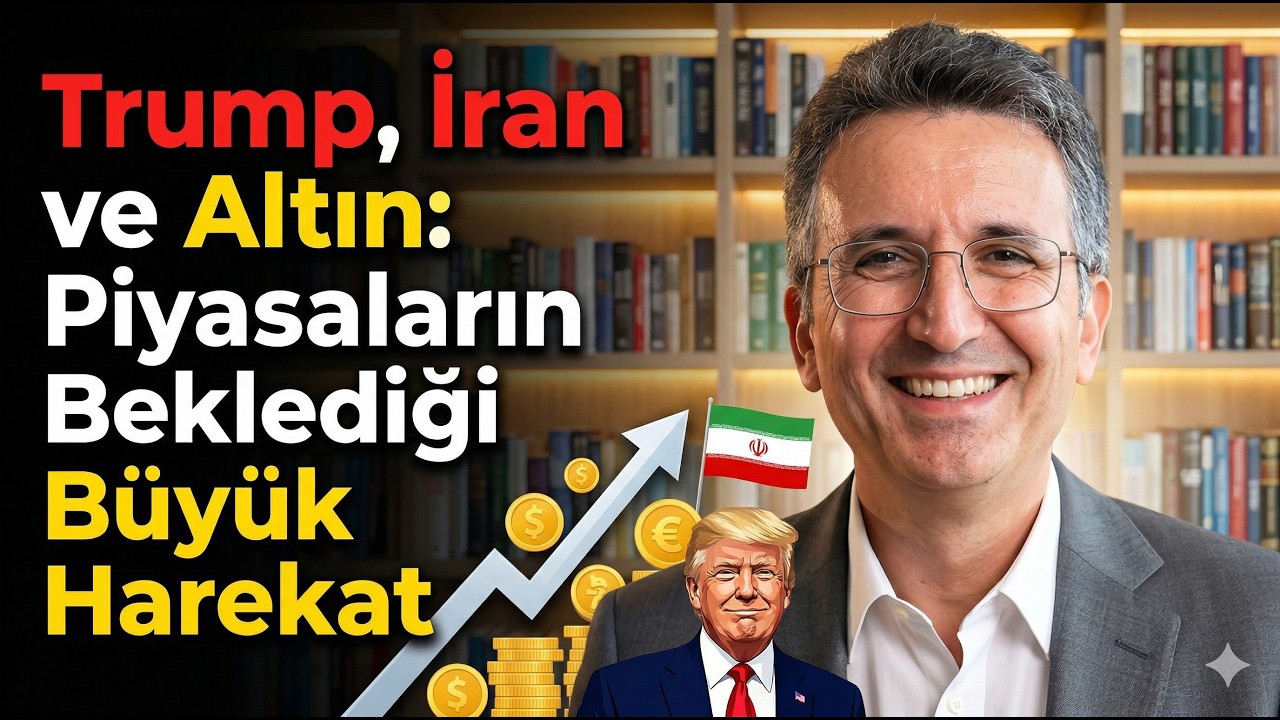
The Quiet Before the Storm
Markets are signaling something important today, but it’s not what’s on the surface. While major indices like the S&P 500 and Nasdaq continue to exhibit strength, a dangerous level of complacency has settled over Wall Street. Investors are focused on the Federal Reserve's next move and corporate earnings, yet they seem to be ignoring the increasingly loud drums of war in the Middle East. The tape doesn't lie about the current bullish momentum, with the S&P 500 ETF (SPY) trading at $656.82 and the Nasdaq 100 ETF (QQQ) at $587.82. However, the market is a discounting machine, and it may be failing to price in a geopolitical shock that could violently upend the current landscape. A potential military conflict involving Iran, Israel, and the United States represents the single most significant unpriced risk for portfolios today. This isn't a distant threat; it's a developing situation with a timeline that could accelerate dramatically following the U.S. presidential election. Prudent investors should be asking themselves not if a shock will come, but whether their portfolio is prepared for when it does. The disconnect between market highs and rising geopolitical risk is a chasm that is unlikely to persist indefinitely.
The Oil Price Powder Keg
The most immediate and visceral impact of a Middle East conflict would be on the price of crude oil. Any military operation, particularly one targeting Iran, would immediately threaten the flow of oil through the Strait of Hormuz, a critical chokepoint for global energy supplies. The transcript's analysis is clear: such an event would cause oil prices to "fly." This isn't just a minor price fluctuation; it's a potential supply-side shock that would reverberate through the entire U.S. economy. For consumers, it means significantly higher prices at the pump, eroding discretionary income and hitting consumer confidence. For businesses, it translates to higher input and transportation costs, squeezing profit margins and potentially leading to layoffs. This scenario creates a nightmare for the Federal Reserve. Just as they are attempting to navigate a soft landing and begin an easing cycle, a surge in oil prices would reignite inflationary pressures. It would force the Fed into an impossible choice: raise rates to fight inflation and risk a deep recession, or hold steady and watch inflation undo all their previous work. This is the kind of black swan event that can end bull markets. The energy sector would be an obvious beneficiary, but the damage to the broader economy could be immense, creating a challenging environment for most equities.
Gold's Moment to Shine
In times of profound uncertainty and conflict, capital always seeks safety. While the U.S. dollar often serves as a primary safe-haven asset, gold plays a unique and historic role as the ultimate hedge against geopolitical chaos and currency debasement. A military strike in the Middle East would almost certainly trigger a significant flight to quality, and gold would be a primary destination for that capital. The logic is straightforward: war creates instability, fuels inflation through supply shocks like oil spikes, and prompts massive government spending, which can devalue fiat currencies. Gold, with its finite supply and long history as a store of value, offers protection against all three of these risks. We are already seeing central banks around the world diversify their reserves into gold, a sign that the smart money is already preparing for a more unstable global environment. For individual investors, the signal is clear. As the risk of conflict rises, the argument for a strategic allocation to gold becomes increasingly compelling. It acts as portfolio insurance, a non-correlated asset that can perform well when traditional stocks and bonds are under pressure. Ignoring this signal could be a costly mistake if the geopolitical situation deteriorates as predicted.
Navigating a Fragile Bull Market
Despite the looming risks, U.S. equity markets have remained remarkably resilient, continuing to post new highs. This strength, however, may be more fragile than it appears. The rally has been driven by a specific narrative: the promise of AI-fueled growth and the expectation of eventual rate cuts from the Federal Reserve. The market has been willing to look past high interest rates and focus on a brighter future. But a geopolitical shock, particularly one that sends oil prices soaring, would shatter that narrative. Suddenly, the focus would shift from growth and innovation to inflation and recession risk. This is the environment where a sharp market rotation occurs. Investors would likely dump high-duration growth stocks, particularly in the tech sector, which are most sensitive to changes in interest rate expectations. The capital would flow towards defensive sectors and real assets. We could see a rapid unwinding of the momentum trades that have worked so well over the past year. The current market strength is a testament to the power of liquidity and positive sentiment, but sentiment can turn on a dime. The key takeaway is that the factors holding this market up are precisely the ones that are most vulnerable to a geopolitical crisis. An inflation shock would tie the Fed's hands, removing the prospect of rate cuts that has provided so much fuel for the rally. This is a critical vulnerability that investors cannot afford to overlook.
🔒 Premium Section
The following analysis is available to Moonshot Premium members.
Portfolio Playbook for the Looming Shock
Understanding the macro landscape is only half the battle; positioning your portfolio correctly is what ultimately drives returns. The developing situation calls for a decisive but not panicked shift in strategy. It's about adjusting allocations at the margin to build resilience against the primary risk on the horizon. The first step is to acknowledge the complacency in the broad market. While the Dow Jones Industrial Average ETF (DIA) at $464.14 and the Russell 2000 ETF (IWM) at $251.82 show broad participation, the leadership has been narrow. A risk-off event could punish the leaders and cause a scramble for safety. Investors should consider trimming exposure to sectors that are most vulnerable to an oil price shock. This includes transportation stocks, such as airlines and trucking, which face direct margin pressure from higher fuel costs. Consumer discretionary sectors are also at risk, as higher gas prices act as a direct tax on consumers, reducing their ability to spend on non-essential goods and services. Conversely, the energy sector stands to benefit directly from higher commodity prices. While it has been a volatile performer, an allocation to energy equities could provide a powerful hedge in this specific scenario. Furthermore, defense contractors could see increased government spending in a heightened conflict environment. The most crucial adjustment, however, involves bolstering the defensive side of the portfolio. This means ensuring an adequate allocation to gold and potentially other precious metals, which serve as a direct hedge against the brewing storm. This isn't about timing the market perfectly but about tilting the odds in your favor for the most probable high-impact event that is currently being underpriced by the wider market.
Portfolio Strategy
- 🟢 Overweight: Energy Sector, Gold and Precious Metals, Defense Contractors. These areas offer a direct hedge against the primary risks of conflict and an oil price spike.
- 🟢 Maintain: High-quality, cash-flow-positive companies with low debt that can withstand an economic downturn.
- 🔴 Underweight: Consumer Discretionary and Transportation. These sectors are highly vulnerable to the second-order effects of an oil shock, namely reduced consumer spending and compressed margins.
- 🔴 Reduce: High-valuation, non-profitable growth stocks. A risk-off environment coupled with stubborn inflation would be toxic for these assets as investors prioritize safety and current cash flow.
Closing Insight
The market is currently enjoying a period of calm, but the undercurrents of geopolitical tension are growing stronger. The potential for a conflict in the Middle East involving the U.S. and Iran is the most significant known unknown facing investors today. While chasing momentum is tempting, true wealth is preserved by anticipating and preparing for risks before they become headlines. Keep these developing tensions on your radar, as the shift from risk-on to risk-off could be incredibly swift.