
US Markets at a Crossroads: The Next Two Weeks Are Critical
A powerful divergence is splitting the major indices as the market braces for pivotal inflation data and a looming Fed decision. The next two weeks could define the market's trajectory for the rest of the summer, and the tape is signaling that a major move is imminent.
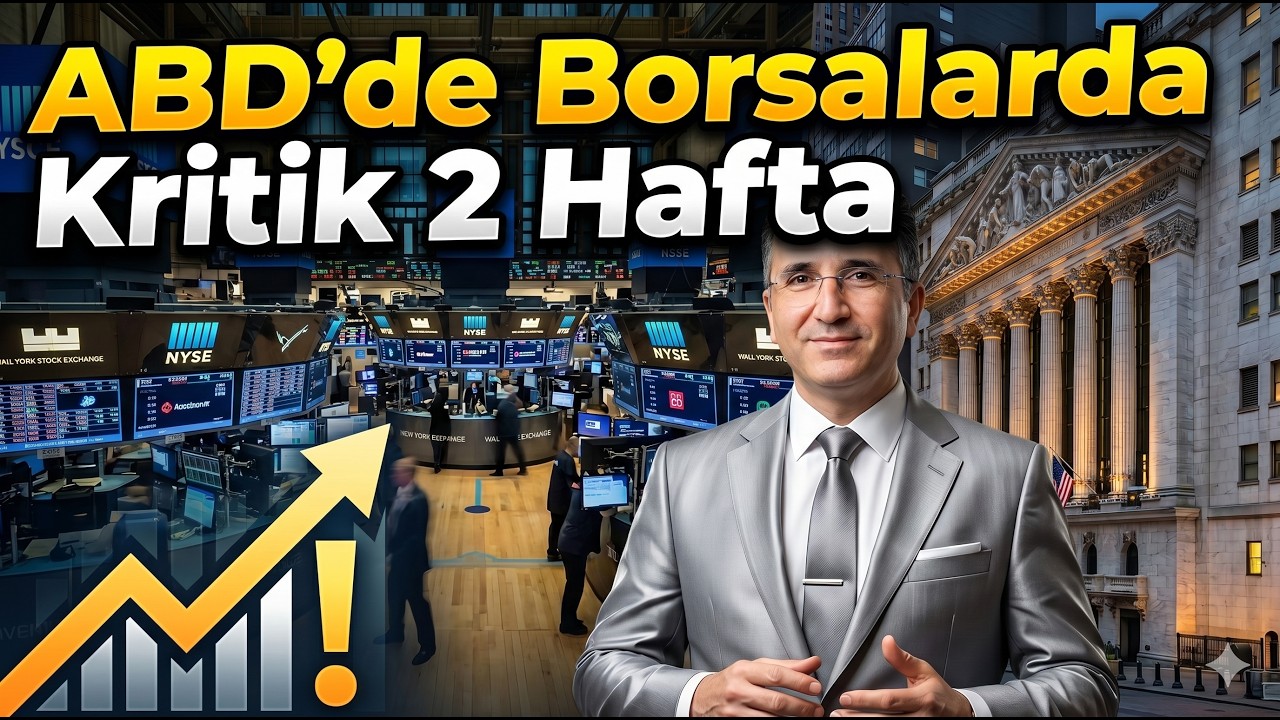
The Market Holds Its Breath at a Pivotal Juncture
Markets are signaling something important is on the horizon. After a period of consolidation, US equities are coiled at a critical inflection point, with the next two weeks poised to unleash a wave of volatility that could set the tone for the entire summer. The market is a discounting machine, and right now it's trying to price in the outcome of two massive events: the upcoming May inflation report and the Federal Reserve's June policy meeting. The tension is palpable, reflected in a stark divergence between the major indices. While the tech-heavy Nasdaq continues to be propelled by a handful of mega-cap names, the Dow Jones and Russell 2000 are flashing warning signs that smart money is watching closely. This isn't just noise; it's a clear signal of uncertainty. Investors are caught between the bullish narrative of artificial intelligence and the bearish reality of sticky inflation and a cautious Fed. The question on everyone's mind is whether the market's narrow leadership can withstand the macroeconomic pressures that are building just beneath the surface. The answer will likely arrive in the coming days, making this a crucial period for portfolio positioning.
Macro Catalysts: Jobs, Inflation, and the Fed's Next Move
The entire market narrative hinges on the upcoming data. The first major test will be the Non-Farm Payrolls report. A surprisingly strong jobs number could be interpreted as a 'good news is bad news' scenario, potentially pushing the Federal Reserve to delay any anticipated rate cuts. Conversely, a significant weakening in the labor market might reignite hopes for more imminent easing, but it could also signal a looming economic slowdown. This delicate balance means the market is on a knife's edge, ready to react violently to any surprises. Following the jobs data, the spotlight will turn to the May inflation prints, both the Consumer Price Index (CPI) and the Personal Consumption Expenditures (PCE) index. These figures are the main event. If inflation shows a convincing move back towards the Fed's 2% target, it could greenlight a summer rally. However, if the data comes in hot and proves to be stickier than expected, it would throw cold water on rate cut expectations and could trigger a significant risk-off move. The culmination of this critical period will be the June Fed meeting. While no rate change is expected, Fed Chair Jerome Powell's press conference and the committee's updated economic projections will be scrutinized for any shift in tone. The market is desperate for clarity on the path of monetary policy, and these two weeks will provide the most significant clues we've had all year.
Index Divergence Tells a Deeper Story
When the market's generals advance but the troops retreat, it's time to pay attention. That's the story the tape is telling us right now. The Nasdaq 100, currently trading around 30,333.18 points, continues to show relative strength, largely thanks to the relentless momentum in AI leader Nvidia (NVDA). However, this strength is not broad-based. The Dow Jones Industrial Average, sitting near 51,032.46 points, is painting a much weaker picture. The index is showing a negative divergence and has been weighed down by significant post-earnings slumps from key components like Salesforce (CRM). This weakness in the 'old economy' index suggests that outside of the AI narrative, there are growing concerns about corporate earnings and economic growth. The S&P 500, trading at 7,580.06 points, is caught in the middle of this tug-of-war. The index is flirting with the formation of a potential double top, a classic technical pattern that can signal a trend reversal. Its ability to hold key support levels, particularly its 50-day moving average, in the face of the upcoming data will be a critical test for the bull market's health. The failure of the broader market to confirm the new highs being set by a few tech giants is a classic warning sign that investors should not ignore.
The Small-Cap Canary in the Coal Mine
Perhaps the most concerning signal comes from the small-cap sector. The Russell 2000, a barometer for the health of the domestic US economy, remains stuck in a frustrating trading range, unable to stage a convincing breakout. Small-cap companies are typically more sensitive to changes in interest rates and the domestic economic cycle than their large-cap counterparts. Their persistent underperformance suggests that the bond market's 'higher for longer' rate narrative is creating real headwinds for American businesses. While big tech can thrive on global secular growth trends like AI, smaller companies rely on a robust domestic economy and access to affordable capital. The Russell 2000's weakness is a canary in the coal mine, hinting that the foundation of the current rally may be narrower and more fragile than the headline indices suggest. A breakout in small caps would signal renewed confidence in the US economy and could precede a much broader market rally. Conversely, a breakdown from its current range could be an early warning of an impending economic slowdown, a scenario that the rest of the market may not be fully pricing in yet.
Navigating the Technical Landscape
For the S&P 500, the chart is at a critical juncture. The index needs to decisively clear its recent highs to invalidate the bearish potential of a double-top formation. A positive catalyst from the inflation data could provide the fuel needed for a breakout, potentially targeting new all-time highs. However, if the data disappoints, the first line of defense will be the 50-day moving average. A break below this key technical level would be a significant victory for the bears and could open the door to a deeper correction. For the Nasdaq 100, the story remains one of mega-cap dominance. As long as Nvidia and its peers remain in favor, the index is likely to show relative strength. The risk here is concentration; a negative catalyst for a single one of these giants could have an outsized impact on the entire index. Investors are essentially making a concentrated bet on a handful of stocks, a strategy that has paid off handsomely but carries significant underlying risk. The market is waiting for a clear signal, and until the macroeconomic picture clarifies, traders will be watching these technical levels with extreme focus. The upcoming price action will not just be a reaction to news; it will be a crucial vote of confidence—or no confidence—in the market's next directional leg.
🔒 Premium Section
The following analysis is available to Moonshot Premium members.
Based on the current market structure and upcoming catalysts, a clear playbook is emerging for agile investors. The divergence offers both risk and opportunity. It's no longer a market where a rising tide lifts all boats; selective positioning is paramount. The smart money isn't abandoning equities, but it is becoming far more discerning about where it allocates capital.
Portfolio Playbook
- 🟢 Overweight: AI-centric mega-cap technology. The momentum behind names like Nvidia is undeniable. While concentration risk is a factor, this theme remains the market's primary driver. Stick with the leaders until the tape says otherwise.
- 🔴 Underweight: Cyclical and industrial names within the Dow Jones showing relative weakness. Companies like Salesforce that miss earnings expectations in this environment are being punished severely, indicating low tolerance for disappointment.
- 🟢 Tactical Long: S&P 500 on a confirmed breakout above recent highs. Wait for the catalyst (e.g., soft inflation data) before adding exposure. A move without broad confirmation could be a bull trap.
- 🔴 Cautious / Neutral: Small-caps (Russell 2000). The risk/reward is unfavorable until there is more clarity on the Fed's path and the domestic economy. Avoid trying to catch a falling knife or predict a bottom in this segment.
The next major move will likely be fast and decisive. Having a plan in place before the data hits is the key to navigating the coming volatility successfully. This isn't the time for complacency. It's a time for active management and a keen focus on risk.
Closing Insight
The market is at a standstill, but this period of calm is the precursor to a significant move. The next two weeks will break the stalemate as critical inflation and employment data forces the market's hand ahead of the June Fed meeting. This is the moment to be prepared, not to predict. Watch the key technical levels, respect the divergence between the indices, and be ready to act once the market reveals its direction. The tape doesn't lie, and it's about to tell us everything we need to know about the summer ahead.